
NHS: The Family They Never Had
Among the organized chaos of medical professionals in Birmingham, a young man named James Stokes navigates his daily responsibilities with subtle confidence. His smart shoes whisper against the floor as he acknowledges colleagues—some by name, others with the familiar currency of a “hello there.”
Explore Vagas Populares no Empregara
James wears his NHS lanyard not merely as an employee badge but as a symbol of belonging. It rests against a neatly presented outfit that betrays nothing of the difficult path that preceded his arrival.
What separates James from many of his colleagues is not immediately apparent. His bearing discloses nothing of the fact that he was among the first participants of the NHS Universal Family Programme—an undertaking crafted intentionally for young people who have experienced life in local authority care.
“It felt like the NHS was putting its arm around me,” James reflects, his voice controlled but carrying undertones of feeling. His observation summarizes the core of a programme that seeks to transform how the vast healthcare system views care leavers—those vulnerable young people aged 16-25 who have emerged from the care system.
The statistics tell a troubling story. Care leavers often face higher rates of mental health issues, money troubles, shelter insecurities, and reduced scholarly attainment compared to their peers. Underlying these cold statistics are human stories of young people who have navigated a system that, despite genuine attempts, frequently fails in delivering the stable base that shapes most young lives.
The NHS Universal Family Programme, launched in January 2023 following NHS England’s pledge to the Care Leaver Covenant, embodies a substantial transformation in organizational perspective. At its heart, it acknowledges that the complete state and civil society should function as a “collective parent” for those who have missed out on the security of a traditional family setting.
A select group of healthcare regions across England have led the way, developing systems that reimagine how the NHS—one of Europe’s largest employers—can create pathways to care leavers.
The Programme is detailed in its methodology, beginning with thorough assessments of existing policies, forming governance structures, and obtaining leadership support. It understands that successful integration requires more than lofty goals—it demands practical measures.
In NHS Birmingham and Solihull ICB, where James began his journey, they’ve established a regular internal communication network with representatives who can deliver assistance and counsel on wellbeing, HR matters, recruitment, and EDI initiatives.
The conventional NHS recruitment process—structured and possibly overwhelming—has been intentionally adjusted. Job advertisements now focus on character attributes rather than numerous requirements. Application processes have been reimagined to accommodate the particular difficulties care leavers might encounter—from lacking professional references to struggling with internet access.
Possibly most crucially, the Programme recognizes that entering the workforce can create specific difficulties for care leavers who may be navigating autonomy without the safety net of parental assistance. Concerns like commuting fees, identification documents, and banking arrangements—assumed basic by many—can become major obstacles.
The beauty of the Programme lies in its attention to detail—from clarifying salary details to helping with commuting costs until that crucial first wage disbursement. Even apparently small matters like coffee breaks and office etiquette are thoughtfully covered.
For James, whose NHS journey has “changed” his life, the Programme delivered more than work. It gave him a sense of belonging—that ineffable quality that emerges when someone feels valued not despite their history but because their unique life experiences enriches the workplace.
“Working for the NHS isn’t just about doctors and nurses,” James notes, his expression revealing the modest fulfillment of someone who has found his place. “It’s about a family of different jobs and roles, a team of people who really connect.”
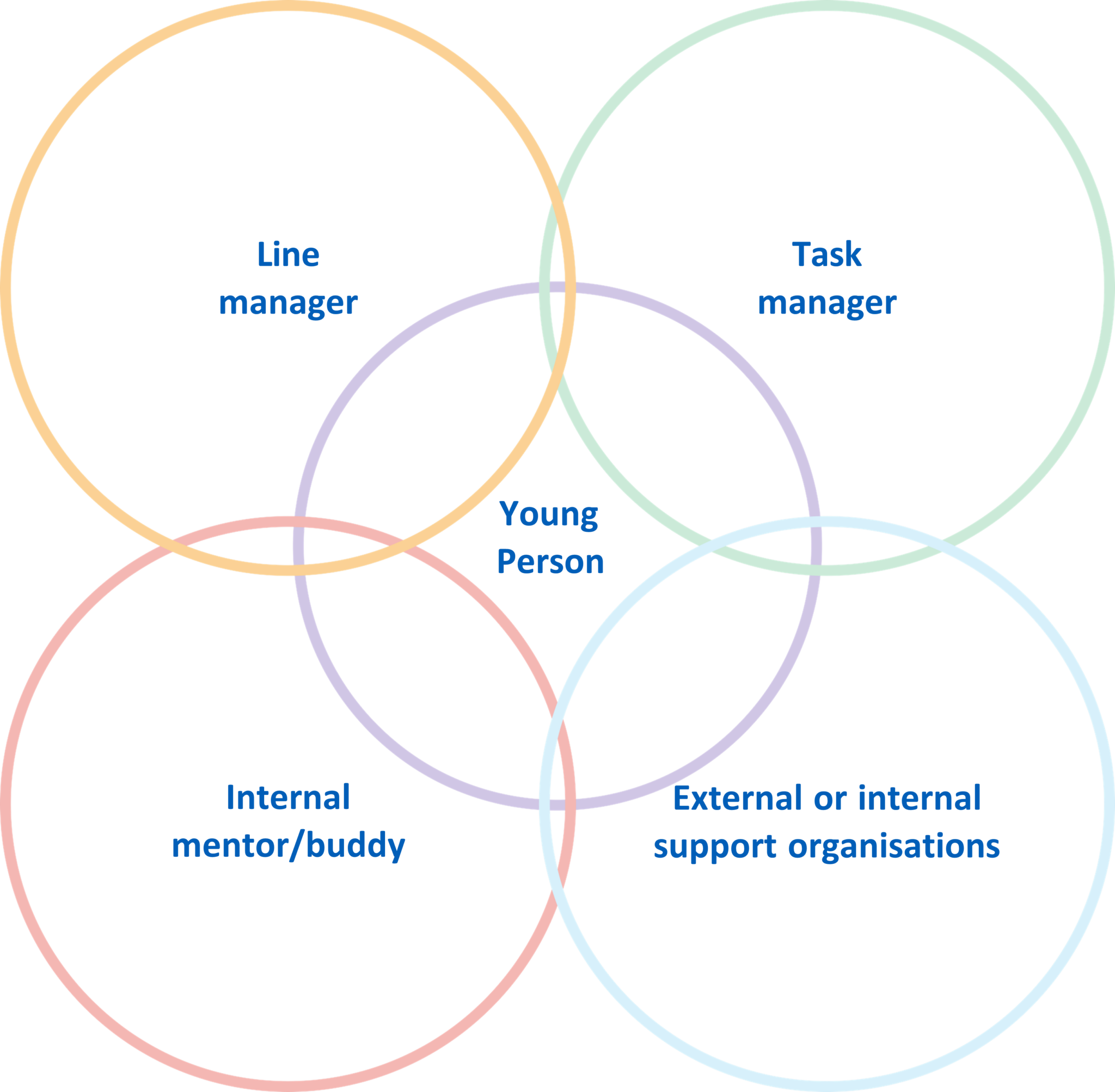
The NHS Universal Family Programme embodies more than an job scheme. It functions as a powerful statement that organizations can adapt to welcome those who have navigated different paths. In doing so, they not only transform individual lives but enrich themselves through the special insights that care leavers provide.
As James walks the corridors, his presence subtly proves that with the right help, care leavers can flourish in environments once considered beyond reach. The embrace that the NHS has offered through this Programme represents not charity but appreciation of overlooked talent and the fundamental reality that everyone deserves a family that supports their growth.